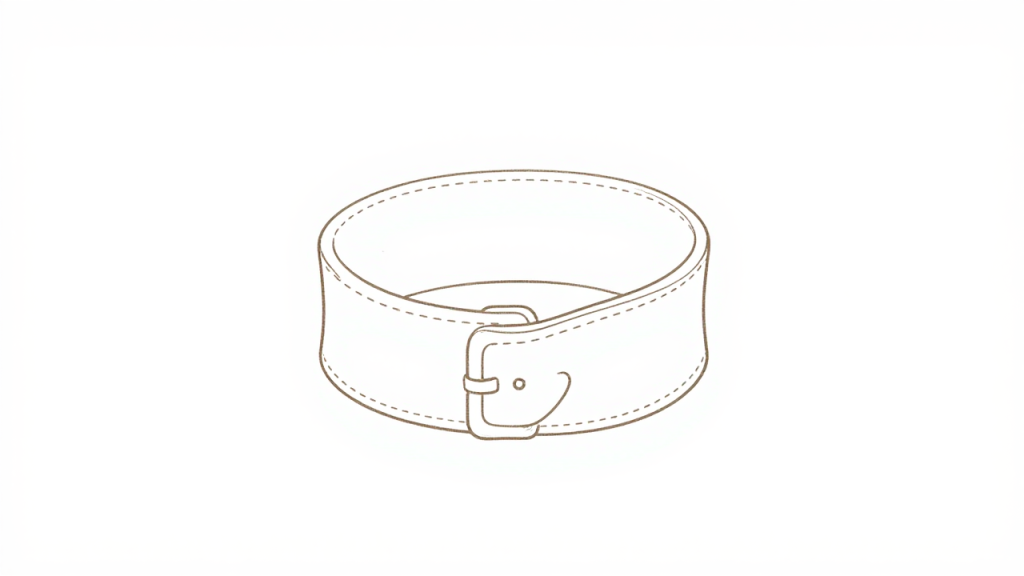
What is sensory deprivation?
Sensory deprivation is the practice of removing or limiting one or more of your senses — sight, sound, touch, taste, or smell — to heighten the remaining senses and create a unique kind of intensity and focus.
When you take away one sense, the others become more acute. A blindfold makes every touch feel electric. Earplugs turn your world inward. Sensory deprivation creates anticipation, vulnerability, and a deeply immersive experience.
🙈The magic: Sensory deprivation isn't about what you take away — it's about what you amplify. Less input = more intensity.
Why people love sensory deprivation
1. It heightens sensation
When you can't see, every touch becomes a surprise. When you can't hear, you focus entirely on physical sensation.
2. It creates surrender
Not knowing what's coming next requires trust and vulnerability.
3. It's meditative
Sensory deprivation forces you to be present in your body and the moment.
4. It's deeply psychological
The anticipation and uncertainty create arousal and intensity that go beyond physical touch.
Types of sensory deprivation
Sight deprivation (blindfolds)
The most common and beginner-friendly form of sensory deprivation.
Tools:
- Sleep mask
- Silk scarf
- Padded leather blindfold
- Hood (more advanced)
Effects:
- Heightens touch, sound, and smell
- Creates anticipation and uncertainty
- Makes every sensation feel more intense
Best for: Beginners to advanced
Sound deprivation (earplugs or headphones)
Removing or limiting sound turns your focus inward and makes you hyper-aware of physical sensations.
Tools:
- Foam earplugs
- Noise-canceling headphones
- White noise or ambient sound
- Hood with ear coverage
Effects:
- Isolates you from external distractions
- Increases focus on touch and internal sensations
- Can feel calming or disorienting (depending on the person)
Best for: Intermediate to advanced
Combined deprivation (sight + sound)
Removing both sight and sound creates deep immersion and vulnerability.
Tools:
- Blindfold + earplugs
- Sensory deprivation hood
Effects:
- Extreme focus on touch and internal experience
- Can be intensely meditative or overwhelming
- Requires high trust and communication
Best for: Experienced players with established trust
Touch deprivation (bondage or instructions not to touch)
Restricting touch or self-touch creates frustration, anticipation, and surrender.
Methods:
- "Don't touch yourself" rules
- Hands restrained
- Wearing gloves or mitts
Effects:
- Builds anticipation and arousal
- Creates power dynamic (control over touch)
- Makes eventual touch feel explosive
Best for: Intermediate
Full sensory deprivation
Removing multiple senses at once — sight, sound, and sometimes restricting movement or speech.
Tools:
- Sensory deprivation hood (covers eyes, ears, and sometimes mouth)
- Bondage + blindfold + earplugs
- Isolation chambers (extreme/rare)
Effects:
- Deeply immersive, can create altered states
- Requires extensive trust and experience
- Can be overwhelming or meditative
Best for: Advanced players only
Your sensory deprivation roadmap
Phase 1: Start with sight
- Use a simple blindfold or sleep mask
- Have your partner touch you gently for 10–15 minutes
- Focus on how different it feels without sight
Phase 2: Add sound
- Blindfold + earplugs or headphones
- Try white noise or music
- Notice how it changes your focus
Phase 3: Experiment with duration
- Start with 10–15 minutes
- Build to 30+ minutes as you get comfortable
- Longer sessions can create trance-like states
Phase 4: Combine with other kink
- Sensory deprivation + bondage
- Sensory deprivation + impact play
- Sensory deprivation + temperature play
How to use sensory deprivation safely
Start slow
Even a simple blindfold can feel overwhelming at first. Begin with short sessions.
Establish clear communication
- Safe words are essential
- If the person is gagged or can't speak, use non-verbal signals (hand gesture, dropping an object, tapping)
Check in regularly
"How are you feeling?" "Do you want to keep going?" "What's your color?"
Never leave someone alone
Especially with combined deprivation. Stay present and attentive.
Have a release plan
The deprived person should be able to signal if they need to stop. The giver should be able to remove the deprivation quickly (no complicated knots or locks).
Watch for panic or dissociation
Some people can feel overwhelmed or "float away" during sensory deprivation. If they seem distressed or unresponsive, stop immediately and reconnect.
Sensory deprivation activities
Blindfold + guided touch
Blindfold your partner and slowly explore their body with different textures (feather, ice, warm oil, your hands).
Blindfold + anticipation
Blindfold your partner and make them wait. The not-knowing creates intense arousal.
Earplugs + impact play
Without sound, impact feels more intense and unpredictable.
Blindfold + sound deprivation + massage
Deeply meditative and immersive. The receiver can fully surrender to sensation.
Sensory deprivation + orgasm control
Blindfolded and restrained, the receiver has no control over when or if they're touched. Builds anticipation and surrender.
Tips for the person giving deprivation
Build anticipation
Don't rush. Let them sit in the deprivation for a moment before you start touching them.
Vary your touch
Alternate between light, firm, warm, cold, sharp, soft. The contrast is what makes it intense.
Use your voice
Even if they're wearing earplugs, they can often still hear your voice. Use it to reassure or heighten arousal.
Watch their body language
Are they relaxed or tense? Leaning in or pulling away? Adjust accordingly.
Stay present
Your attention and presence are what make sensory deprivation feel safe and intense.
Tips for the person experiencing deprivation
Breathe
Deep, slow breathing helps you stay grounded and process sensation.
Let go of control
The point is to surrender. Trust your partner and let yourself feel.
Communicate
If something feels off, use your safe word. If something feels amazing, let them know.
Give yourself time to adjust
The first few minutes can feel disorienting. Relax into it.
Aftercare for sensory deprivation
Remove deprivation slowly
Don't rip off the blindfold or pull out earplugs suddenly. Transition gently.
Reorient
The person may feel floaty, disoriented, or emotional. Help them come back to reality slowly.
Offer comfort
Water, blankets, cuddles, or quiet time — whatever they need.
Debrief
Talk about what felt good, what was challenging, and how they're feeling.
Common questions
"Will I panic?"
Some people do feel claustrophobic or anxious at first. Start with short sessions and use your safe word if you need to stop.
"Can I do sensory deprivation solo?"
Yes, but be cautious. Don't restrain yourself in ways you can't easily escape, and avoid full deprivation (sight + sound + movement) alone.
"What if I don't like it?"
Not everyone enjoys sensory deprivation. It's okay to try it once and decide it's not for you.
"How long is safe?"
Start with 10–15 minutes. Experienced players can go longer, but always check in and watch for signs of distress.
Sensory deprivation gear guide
Beginner:
- Sleep mask or simple blindfold ($5–15)
- Foam earplugs ($5)
Intermediate:
- Padded leather blindfold ($15–30)
- Noise-canceling headphones ($50–200)
- Bondage tape (to restrict movement) ($5–10)
Advanced:
- Sensory deprivation hood ($40–100)
- Isolation bondage setup (restraints + deprivation)
Essential reads
- [Blindfold Play for Beginners] — Techniques and ideas
- [The Psychology of Sensory Deprivation] — Why it works
- [Combining Sensory Deprivation with Other Kink] — Creative pairings
- [Aftercare for Intense Sensory Experiences] — Helping your partner land
- [Sensory Deprivation Safety Guide] — What to watch for
Ready to explore deprivation?
Sensory deprivation is one of the most accessible and versatile forms of kink. A simple blindfold can transform an ordinary encounter into something deeply intimate and intense.
Start here: Blindfold your partner (or yourself, if solo). Spend 10 minutes exploring touch, temperature, or texture. Debrief afterward about how it felt.
🙈Pro tip: The longer you stay in deprivation, the more your remaining senses amplify. Give yourself time to adjust and sink into it.