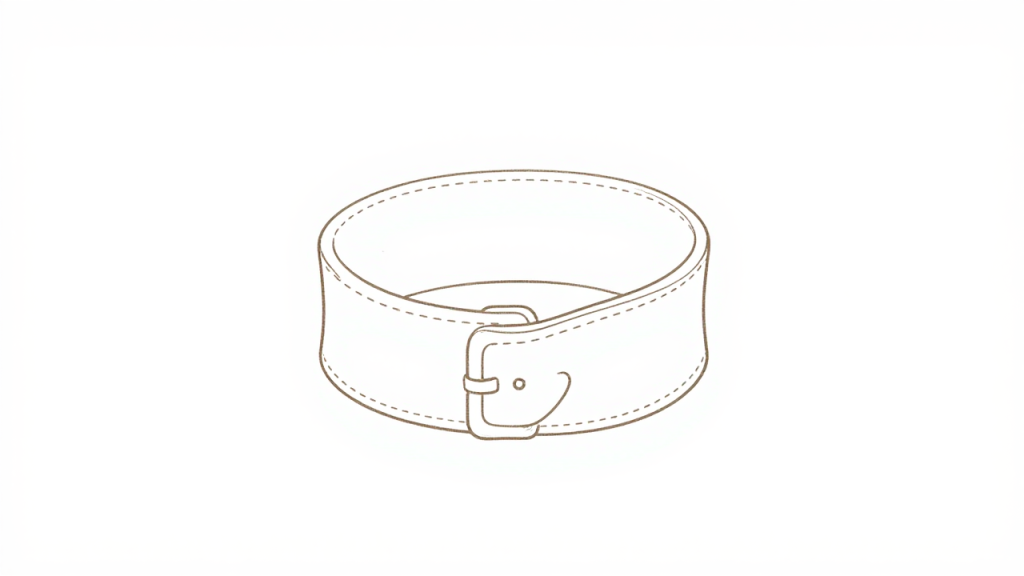
What is bondage gear?
Bondage gear includes any tool or equipment used to restrain, restrict movement, or create the sensation of being held or controlled. It ranges from simple fabric ties to elaborate metal restraints — but you don't need anything fancy to explore bondage.
Bondage is about more than just the physical restraint. It's about trust, surrender, anticipation, and the psychological thrill of giving up (or taking) control.
🪢The foundation: Bondage requires consent, communication, and safety planning. Never restrain someone without discussing boundaries, safe words, and a release plan first.
Why people love bondage
1. It creates surrender
Being restrained removes the need to "do" anything — you can just receive and feel.
2. It builds anticipation
When you can't move, every touch becomes more intense. Your partner has full control over what happens next.
3. It's a power exchange
Restraint is a tangible expression of dominance and submission.
4. It looks hot
Aesthetically, bondage can be beautiful, artistic, and deeply erotic.
Types of bondage gear
Soft restraints (beginner-friendly)
Fabric cuffs
- Velcro or buckle closures
- Padded for comfort
- Easy on, easy off
Best for: Beginners, people who want quick-release options
Price: $15–30/pair
Bondage tape
- Sticks to itself, not skin or hair
- No knots needed
- Temporary and easy to remove
Best for: Experimentation, creative restraint, travel
Price: $5–10/roll
Silk scarves or ties
- Soft, gentle, no special gear needed
- Tie loosely for easy release
- DIY and affordable
Best for: Absolute beginners, low-pressure exploration
Price: $0–20 (you probably own some)
Rope bondage
Bondage rope (cotton, hemp, jute, or synthetic)
- Versatile — can be used for simple ties or complex rope work (Shibari)
- Requires some skill and practice
- Can be decorative and functional
Best for: People interested in learning rope skills, artistic bondage
Price: $10–40 per bundle (depending on material and length)
Safety note: Never tie around the neck. Always have safety shears nearby.
Leather and metal restraints
Leather cuffs
- Durable, sturdy, often with D-rings for attachments
- More intense aesthetic (classic BDSM look)
- Can be locked or buckled
Best for: People who want a more traditional bondage experience
Price: $30–80/pair
Metal handcuffs
- Police-style or bondage-specific cuffs
- Can be cold, rigid, and psychologically intense
- Some have quick-release mechanisms
Best for: People who want the feel and sound of metal
Price: $15–50
Safety note: Metal cuffs can cause nerve damage if too tight or left on too long. Check circulation frequently.
Bondage systems
Under-the-bed restraint system
- Straps that slide under your mattress with cuffs attached
- Spreads limbs wide
- No installation required
Best for: Couples who want full-body restraint without wall hooks
Price: $30–70
Spreader bars
- Metal or wooden bar with cuffs at each end
- Keeps legs or arms spread apart
- Can be adjustable
Best for: People who want to maintain a specific position
Price: $40–100
Bondage frames or furniture
- St. Andrew's Cross, bondage bench, suspension frame
- Advanced gear for serious enthusiasts
Best for: Experienced kinksters with dedicated play space
Price: $200–$1000+
Beginner bondage gear essentials
Start with these if you're new:
Soft wrist and ankle cuffs
Easy to use, comfortable, non-intimidating. Velcro or buckle closures mean you can get free quickly if needed.
Bondage tape
Cheap, versatile, and forgiving. Great for learning how restraint feels without committing to rope or cuffs.
Under-the-bed restraint system
Provides full-body restraint without needing to install anything. Easy setup, easy storage.
Silk scarves
You probably already own them. Tie loosely, communicate constantly, and always be able to release quickly.
Total beginner kit cost: $30–80
How to use bondage gear safely
Always have a release plan
- Know how to get out of the restraints quickly
- Keep safety shears (EMT scissors) within arm's reach
- Never leave a restrained person alone
Check circulation
- Fingers and toes should stay warm and pink
- If they go numb, tingle, or turn white/blue, release immediately
- Never tie so tight that circulation is restricted
Avoid dangerous areas
- Never tie around the neck
- Avoid joints (wrists, elbows, knees, ankles) if using rope — tie above or below
- Be cautious around nerves (inner arms, backs of knees)
Use safe words
Even if the restrained person can't move, they need a way to communicate. If they're gagged, use a non-verbal signal (hand gesture, dropping an object, humming).
Start with short sessions
Even comfortable restraints can become uncomfortable after 10–15 minutes. Build up duration gradually.
Aftercare is essential
Restraint can be physically and emotionally intense. Check in, offer water, massage limbs, and reconnect.
Rope bondage basics
Types of rope:
Cotton
- Soft, beginner-friendly
- Easy to wash
- Less "grippy" than natural fibers
Hemp or jute
- Traditional for Shibari
- Holds knots well
- Requires conditioning (breaking in)
Synthetic (nylon, MFP)
- Strong, doesn't absorb moisture
- Slippery, harder to hold knots
- Good for outdoor or wet play
Recommended rope length for beginners:
- 10 feet (3m): Single-column ties (wrists, ankles)
- 30 feet (10m): More complex ties, chest harnesses
Essential rope safety:
- Always have safety shears nearby
- Never tie around the neck
- Check for numbness, tingling, or color changes
- Learn proper knots and ties before experimenting
Want to learn rope?
Take a class, watch tutorials (Crash Restraint, Two Knotty Boys), or start with a beginner guide.
Bondage positions for beginners
Wrists tied in front
- Non-threatening, easy to release
- Good for sensation play or oral
Wrists tied behind back
- More vulnerable, more intense
- Make sure shoulders are comfortable
Spread eagle (under-the-bed system)
- Arms and legs spread wide
- Full-body exposure and access
Hands tied to headboard
- Classic position
- Easy to do with cuffs, rope, or scarves
Legs tied together
- Restricts movement, creates helplessness
- Can combine with other restraints
What to avoid
Don't tie around the neck
Ever. This is breath play, and it's extremely dangerous even for experienced people.
Don't leave someone alone
Even for "just a minute." Emergencies can happen fast.
Don't use restraints that can't be removed quickly
Especially when you're learning. Complex knots or locks without keys are risky.
Don't ignore circulation issues
Numbness, tingling, or color changes mean release immediately.
Don't surprise someone with restraint
Always negotiate first. Bondage requires consent and trust.
Common questions
"What if I panic while restrained?"
Use your safe word immediately. Your partner should release you right away, no questions asked. Talk through the panic afterward.
"Can I escape if I need to?"
With soft cuffs and Velcro, yes. With rope or metal cuffs, you'll need your partner to release you — which is why safe words and constant communication matter.
"How tight should restraints be?"
Snug enough that you can't easily slip out, but loose enough that you can wiggle your fingers/toes and circulation isn't cut off. You should be able to fit 1–2 fingers between the restraint and skin.
"Can I use zip ties or duct tape?"
No. Zip ties can't be released quickly and can cause serious injury. Duct tape sticks to skin and hair painfully. Use proper bondage gear.
Essential reads
- [Bondage for Beginners: A Step-by-Step Guide] — How to start safely
- [Rope Bondage 101] — Basic ties and techniques
- [How to Check Circulation During Bondage] — Safety essentials
- [Aftercare for Bondage Scenes] — What to do when restraints come off
- [Best Bondage Positions for Beginners] — Easy, safe options
Bondage gear shopping checklist
For beginners:
- ☐ Soft wrist cuffs
- ☐ Soft ankle cuffs
- ☐ Bondage tape
- ☐ Safety shears
- ☐ Silk scarves or ties
For intermediate:
- ☐ Leather cuffs
- ☐ Bondage rope (30 feet)
- ☐ Under-the-bed restraint system
- ☐ Collar and leash
For advanced:
- ☐ Spreader bar
- ☐ Suspension cuffs
- ☐ Rope for full harnesses (100+ feet)
Ready to be tied up (or tie someone up)?
Bondage is one of the most popular and accessible forms of kink. Whether you start with a silk scarf or invest in a full restraint system, the key is communication, safety, and trust.
Start here: Pick one simple restraint (soft cuffs or a scarf). Tie your partner's wrists in front, blindfold them, and spend 10 minutes teasing them with light touches. Debrief afterward.
🪢Pro tip: Bondage isn't just physical — the anticipation and psychological surrender are often more intense than the restraints themselves.